Owning a watercraft offers endless opportunities for adventure and relaxation on local lakes and rivers. Staying proactive about routine maintenance and addressing performance issues immediately is essential for keeping every voyage safe and enjoyable. Ignoring subtle warning signs can quickly lead to severe mechanical failures, structural damage, and unexpected safety hazards on open water. Identifying early indicators of wear helps vessel owners protect their investments and ensure seamless operation. Scheduling professional boat repairs early prevents minor hiccups from expanding into major headaches.
Taking proactive care of a vessel preserves both its resale value and operational reliability. Experienced boaters know that waiting for a breakdown before seeking help results in missed days on the water and extensive damage to critical systems. From minor gelcoat touch-ups to major motor overhauls, understanding what your craft needs is the first step toward peace of mind. Keeping a watchful eye on your vessel ensures every trip starts with confidence.
1. Inspect Outer Hull Integrity
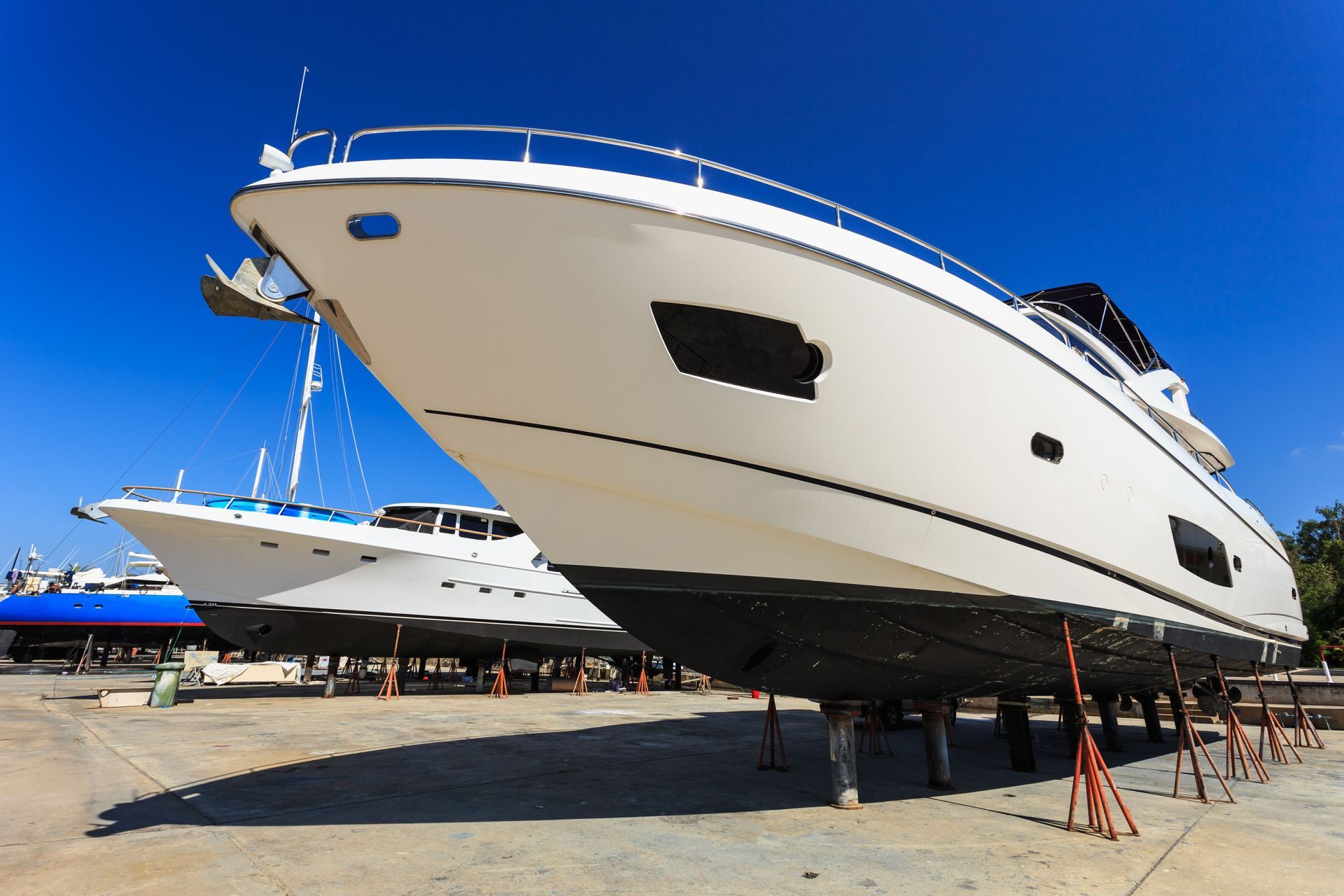
The hull serves as the primary defense against water intrusion and structural stress, making routine visual checks vital for maritime safety. Exposure to aquatic environments, debris, and sunlight can cause noticeable cracks or blisters along the exterior surface over time. Cracks near high-stress areas compromise structural stability and allow moisture to penetrate fiberglass layers, while osmotic blisters signal underlying gelcoat damage. Fading or peeling marine paint further accelerates degradation by stripping away the protective barrier against weather and moisture. Addressing surface vulnerabilities quickly preserves hull strength and prevents deep structural deterioration.
Structural deformities and surface contamination can also severely impact handling and buoyancy on the water. Rust stains on metallic fittings often point to hidden corrosion underneath, while heavy algae or barnacle growth increases underwater drag and reduces fuel efficiency. In addition, visible shifts in hull shape or an uneven waterline indicate balance issues, internal weight shifts, or structural warping from impact. Promptly seeking boat repairs for hull deformities ensures proper weight distribution, restores smooth hydrodynamic performance, and keeps the vessel sitting correctly in the water.
2. Monitor Engine Operational Issues
Marine propulsion systems require careful monitoring to maintain peak efficiency and prevent mechanical breakdowns during operation. Strange engine noises, such as unusual rattling or excessive vibration, typically signal misaligned components, worn internal bearings, or loose mounting hardware. When an engine becomes difficult to start or hesitates repeatedly, underlying fuel delivery issues, weak marine batteries, or electrical shorts are frequently responsible. Engine overheating presents an immediate danger, usually caused by clogged cooling lines, worn impellers, or leaking coolant channels that demand fast intervention.
Sudden drops in speed, unexpected power loss, or dense exhaust smoke highlight serious mechanical troubles under the hatch. Dark or white smoke issuing from the exhaust points to oil consumption, head gasket failure, or improper fuel combustion within the cylinders. Losing power during acceleration drastically limits maneuverability, creating dangerous scenarios when navigating busy channels or rough conditions. Partnering with professional technicians for comprehensive boat repairs helps diagnose complex motor problems, clear cooling blockages, and restore full horsepower before minor engine glitches lead to total power failure.
3. Evaluate Electrical System Failures
A reliable electrical system powers vital navigation equipment, safety lighting, and onboard accessories essential for safe travel. Flickering cabin lights, dimming running lights, or inconsistent power delivery point directly to loose connections, degraded wiring, or alternator troubles. When dashboard gauges and navigation instruments stop responding, captains lose access to critical operational data like fuel levels, engine temperature, and speed. Rapid battery drain or complete battery failure often indicates parasitic power draws, aging cells, or charging system malfunctions that prevent reliable restarting.
Saltwater and humid marine air constantly threaten electrical components, causing corrosion along terminals and wiring harnesses. Green or white powdery deposits on battery posts or fuse blocks disrupt electrical current, resulting in sudden power shutdowns while underway. Experiencing a total loss of power away from the dock poses immediate safety hazards for everyone aboard. Investing in timely boat repairs allows technicians to clean corroded connections, replace faulty wiring, and ensure onboard electronics remain fully operational throughout every voyage.
4. Recognize Steering Control Problems
Precise steering control is fundamental to maintaining vessel safety, maneuvering around obstacles, and docking smoothly in tight spaces. A steering wheel that feels stiff, sticky, or completely unresponsive indicates binding steering cables, low hydraulic fluid, or mechanical wear inside the helm assembly. Persistent pulling or heavy drag to one side suggests improper trim alignment, rudder imbalance, or bent propeller components. Worn steering cables can stretch, slip, or snap under heavy load, stripping the captain of directional control without warning.
Restricted rudder movement or delayed response to helm inputs severely compromises maneuverability in narrow waterways and crowded marinas. Mechanical jams, caught marine debris, or leaking hydraulic rams prevent the rudder from pivoting smoothly through its full range of motion. When the vessel responds sluggishly to wheel adjustments, immediate inspection is required to prevent total steering loss. Scheduling expert boat repairs for steering systems ensures smooth cable movement, tight hydraulic pressure, and predictable handling under all water conditions.
5. Address Plumbing System Leaks
Onboard plumbing and freshwater systems maintain vessel sanitation, bilge clearance, and overall passenger comfort during trips. Leaking pipes, dripping fixtures, or damaged hose clamps allow water to gather in low compartments, threatening interior wood and electrical wiring. Malfunctioning bilge or freshwater pumps disrupt water circulation, leaving water trapped where it should not be or cutting off supply to sinks and washdown stations. Clogged deck drains aggravate the situation by allowing rainwater and spray to pool, creating slipping hazards and potential flooding risks.
Freshwater tank contamination and water heater failures further diminish living conditions aboard during extended trips. Bacterial growth or chemical odors in fresh water make onboard supplies unsafe for drinking, cooking, or washing. Faulty heating elements, leaking tanks, or clogged supply lines prevent water heaters from delivering warm water for onboard amenities. Promptly addressing plumbing issues through professional boat repairs protects structural integrity, prevents mold growth, and keeps onboard sanitation systems operating cleanly and efficiently.
6. Diagnose Unusual Vessel Vibrations
Excessive vibration and jarring noises during operation point to mechanical imbalances within the propulsion driveline. Persistent shuddering felt through the deck or hull usually stems from a bent propeller blade, a damaged prop shaft, or worn strut bearings. Loud clanking or knocking sounds coming from the engine bay indicate loose mechanical fasteners, damaged internal gears, or failing engine mounts. Ignoring these intense mechanical vibrations leads to accelerated wear across structural joints, transmission housings, and drive seals.
Grinding sounds during gear shifting signal severe transmission friction or worn clutch components, while high-pitched belt squealing points to loose or misaligned drive belts. Loud thudding or banging within the hull often indicates loose internal gear, unsecured ballast, or shifting structural frames. According to the National Marine Manufacturers Association, roughly 17 million recreational boats navigate the waterways across the United States. Maintaining these vessels requires vigilance, and securing professional boat repairs for unexplained noises prevents catastrophic driveline failures and keeps overall operational performance smooth.
Consistent upkeep and early attention to mechanical warning signs safeguard every journey, protecting both passengers and the investment itself. Addressing minor hull cracks, motor hiccups, electrical glitches, and steering issues before they worsen keeps watercraft operating at peak performance. Proactive maintenance extends the life of internal components, optimizes fuel economy, and ensures stress-free time on the water year after year.
Taking action at the first sign of wear helps avoid emergency trailering and keeps seasons filled with uninterrupted aquatic adventures. When you notice subtle warning signs or need expert assistance with routine maintenance, turn to our experienced team to deliver reliable boat repairs. Contact us today at Tri-County Marine & Sports Center to schedule your next service appointment and keep your vessel running smoothly.